
As the chill of fall sets in and cold season looms, fortifying your immune system becomes a top priority. Citrus fruits—think vibrant oranges, zesty lemons, and tangy grapefruits—are nature’s powerhouse for boosting defenses against sniffles and sneezes. Packed with vitamin C, flavonoids, and essential antioxidants, these sunny gems can help reduce the duration and severity of colds while adding a burst of flavor to your meals.
In this guide, we’ll explore why citrus-infused healthy recipes are your secret weapon against colds, share five easy-to-make dishes that incorporate these fruits, and offer practical tips to keep your kitchen buzzing with immune-boosting goodness. Whether you’re whipping up a quick breakfast smoothie or simmering a comforting soup, these recipes are designed for busy lifestyles, using simple ingredients to maximize health benefits without sacrificing taste.
The Immune-Boosting Power of Citrus Fruits
Citrus fruits aren’t just delicious; they’re a cornerstone of natural cold prevention. Let’s break down why they’re so effective.
Why Vitamin C is Your Cold-Fighting Ally
Vitamin C is the star nutrient in citrus, known for its role in white blood cell production and collagen synthesis, which strengthens your body’s barriers against viruses. Studies show that regular intake can shorten cold symptoms by up to 14% in adults. A single orange delivers about 70mg of vitamin C—nearly the daily recommended 75-90mg for most adults—making it an easy win for your diet.
Beyond Vitamin C: Antioxidants and More
Citrus is loaded with hesperidin and naringin, flavonoids that combat oxidative stress and inflammation, key culprits in prolonged illnesses. Plus, their high water content keeps you hydrated, a crucial factor in immune health. Incorporating citrus-infused recipes ensures you’re not just getting nutrients but absorbing them in bioavailable forms through fresh, whole-food preparations.
5 Citrus-Infused Healthy Recipes to Boost Immunity
These recipes are low in calories, high in nutrients, and versatile for any meal. Each serves 2-4 people and takes under 30 minutes to prepare. Focus on organic citrus when possible for maximum potency.
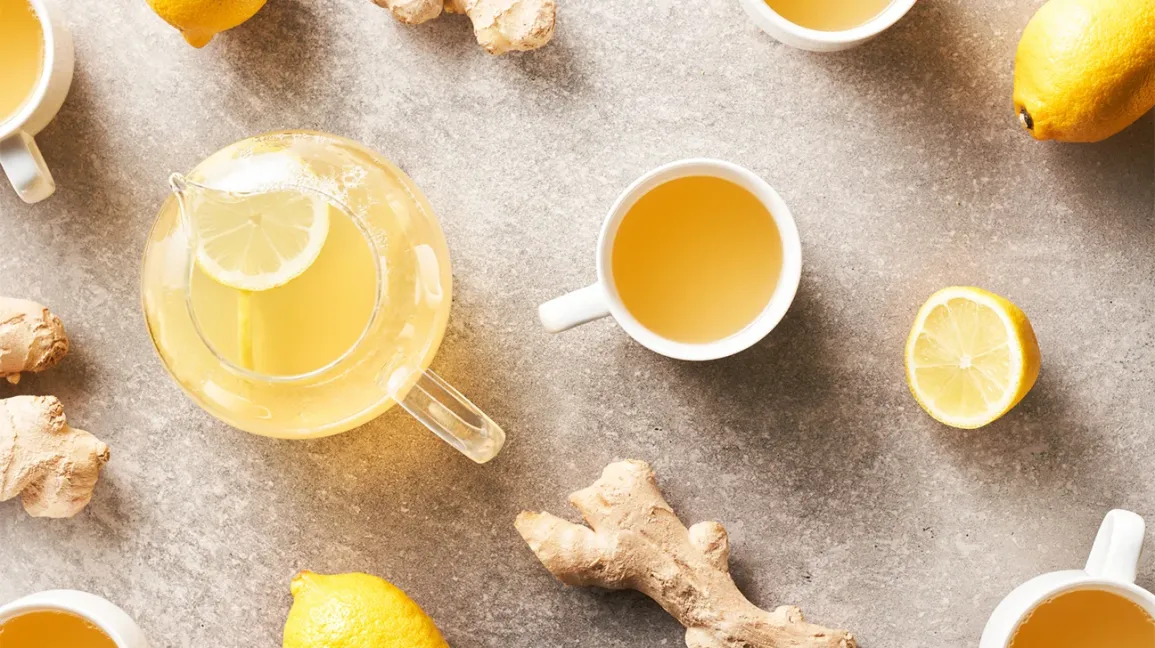
H2: Zesty Lemon-Ginger Tea for Instant Relief
Start your day with this soothing, caffeine-free elixir that’s perfect for soothing a scratchy throat.
Ingredients:
- Juice of 2 fresh lemons
- 1-inch piece of fresh ginger, grated
- 2 cups hot water
- 1 tbsp honey (optional)
- A sprinkle of turmeric for extra anti-inflammatory kick
Instructions:
- Steep grated ginger in hot water for 5 minutes.
- Strain, then stir in lemon juice, honey, and turmeric.
- Sip warm—aim for 2 cups daily during cold season.
This tea’s gingerol compounds enhance circulation, while lemon’s citric acid aids detoxification. Pro tip: Add a cinnamon stick for blood sugar stability.
H3: Orange-Kale Power Smoothie
Blend up this green machine for a breakfast that tastes like summer but fights winter woes.
Ingredients:
- 2 oranges, peeled and segmented
- 2 cups kale leaves
- 1 banana for creaminess
- 1 cup almond milk
- Handful of ice cubes
Instructions:
- Toss everything into a blender.
- Pulse until smooth, about 1 minute.
- Pour and enjoy immediately for peak vitamin retention.
Kale’s vitamin K pairs with orange’s C for superior absorption, creating a synergy that supports respiratory health. Customize with spinach if kale’s too bold.
H3: Grapefruit-Avocado Salad with a Citrus Twist
A refreshing lunch salad that’s as pretty as it is protective.
Ingredients:
- 2 grapefruits, supremed (segments removed from membranes)
- 1 ripe avocado, diced
- 4 cups mixed greens (arugula and spinach work best)
- 1/4 red onion, thinly sliced
- Dressing: Juice of 1 lime, 2 tbsp olive oil, salt to taste
Instructions:
- Layer greens, grapefruit, avocado, and onion in a bowl.
- Whisk dressing ingredients and drizzle over top.
- Toss gently—serve chilled.
Grapefruit’s naringin may inhibit viral replication, and avocado’s healthy fats enhance nutrient uptake. This dish clocks in at under 300 calories per serving.
H3: Lemon-Herb Roasted Chicken with Citrus Glaze
For dinner, elevate lean protein with a tangy marinade that infuses every bite with wellness.
Ingredients:
- 4 chicken breasts (skinless)
- Juice and zest of 2 lemons
- 2 garlic cloves, minced
- Fresh herbs (thyme and rosemary, 1 tbsp each)
- 1 tbsp olive oil
Instructions:
- Marinate chicken in lemon juice, zest, garlic, herbs, and oil for 15 minutes.
- Roast at 400°F for 20-25 minutes until internal temp reaches 165°F.
- Baste with pan juices for extra flavor.
The acidity tenderizes the meat while preserving its B-vitamins, complementing citrus’s immune perks. Pair with quinoa for a complete meal.
H3: Blood Orange Sorbet Bites for a Sweet Immune Treat
End on a high note with these no-bake snacks—guilt-free and cold-fighting.
Ingredients:
- 4 blood oranges, juiced (about 1 cup)
- 2 tbsp coconut sugar
- 1 tsp vanilla extract
- Zest of 1 lime
Instructions:
- Mix juice, sugar, vanilla, and zest until sugar dissolves.
- Pour into silicone molds or an ice cube tray.
- Freeze for 2 hours, then pop out and store in a bag.
Blood oranges’ anthocyanins add extra antioxidant punch. These bites are a fun way to sneak in vitamin C for kids or as a post-workout refresh.
Tips for Maximizing Citrus in Your Cold-Prevention Routine
To get the most from your citrus-infused healthy recipes:
- Eat Fresh: Heat destroys vitamin C, so prioritize raw or lightly cooked preparations.
- Pair Wisely: Combine with iron-rich foods like spinach to boost absorption—avoid dairy, which can hinder it.
- Seasonal Sourcing: Peak citrus season (winter) means higher nutrient density; freeze extras to maintain benefits year-round.
- Portion Smart: Aim for 1-2 servings daily to avoid excess acidity on sensitive stomachs.
- Hydration Hack: Infuse water with citrus slices for a zero-calorie sipper that keeps electrolytes balanced.
By weaving these habits into your week, you’ll not only ward off colds but also enjoy vibrant, flavorful eating.
Frequently Asked Questions (FAQs)
H2: Can Citrus Really Prevent Colds?
While no food guarantees prevention, citrus’s vitamin C can reduce cold risk by supporting immune function. Consistent intake is key—think daily rather than sporadic.
H3: How Much Vitamin C Do I Need Daily to Fight Colds?
Adults should target 75-90mg, but during cold season, up to 200mg from food sources is safe and effective. One medium orange covers the basics.
H3: Are There Any Citrus Recipes Safe for Kids?
Absolutely—our smoothie and sorbet bites are kid-friendly. Dilute juices with water to ease tartness, and involve them in prep for fun.
H3: What If I’m Allergic to Citrus?
Opt for alternatives like kiwi or bell peppers for similar vitamin C benefits. Consult a doctor for personalized swaps.
H3: Can I Make These Recipes Ahead?
Yes! Teas and smoothies store in the fridge for 24 hours; salads and glazes up to 2 days. Freeze sorbet for longer shelf life.
Embrace the zest of citrus this season—your body will thank you with fewer tissues and more vitality. Share your favorite tweaks in the comments below!